
Cycling is an excellent mode of transportation in the United States, offering health benefits, eco-friendliness, and convenience. With more people choosing bicycles as a means of commuting or recreation, bike accidents are unfortunately becoming more common. According to the National Highway Traffic Safety Administration (NHTSA), in 2020 alone, 938 cyclists were killed in traffic accidents, and thousands more were injured. These accidents often result in severe injuries that can lead to long-term consequences. Therefore, understanding bike accident safety and knowing what steps to take if you’re involved in an accident is crucial for every cyclist.
This blog will provide essential US bike accident safety tips that every cyclist should follow, as well as a comprehensive guide on what to do if you’re hit by a vehicle. Whether you’re a seasoned cyclist or new to biking, these guidelines will help you stay safe on the road.
Why Bike Safety is Important
Bike safety is often overlooked, but it is essential for reducing the number of accidents and injuries that occur each year. When we think about road accidents, our minds typically turn to car crashes. However, cyclists face a unique set of risks. These risks include:
- Vulnerable position on the road: Unlike motor vehicles, cyclists have no protective barriers around them in case of a collision. They are far more susceptible to injuries when involved in an accident.
- Poor visibility: A common cause of bike accidents is low visibility, especially when cyclists don’t wear reflective clothing or use bike lights at night.
- Distracted driving: Drivers who are texting or distracted by other activities may fail to notice cyclists in time, resulting in preventable accidents.
The importance of bike safety cannot be stressed enough. Cyclists who follow the proper safety measures reduce their chances of being involved in a serious accident. By wearing appropriate gear, adhering to traffic laws, and staying alert, cyclists can minimize risks and stay safe on the road.
 Essential Bike Safety Tips
Cyclists can reduce their risk of accidents by implementing some basic safety practices. Here are some essential bike accident safety tips:
- Wear a Helmet
A helmet is the most important piece of protective gear for any cyclist. Helmets protect your head in case of a crash, reducing the severity of head injuries. Even though some states do not require helmets, it’s always wise to wear one. Ensure that your helmet fits snugly and is certified by safety organizations like the Consumer Product Safety Commission (CPSC). - Use Lights and Reflective Gear
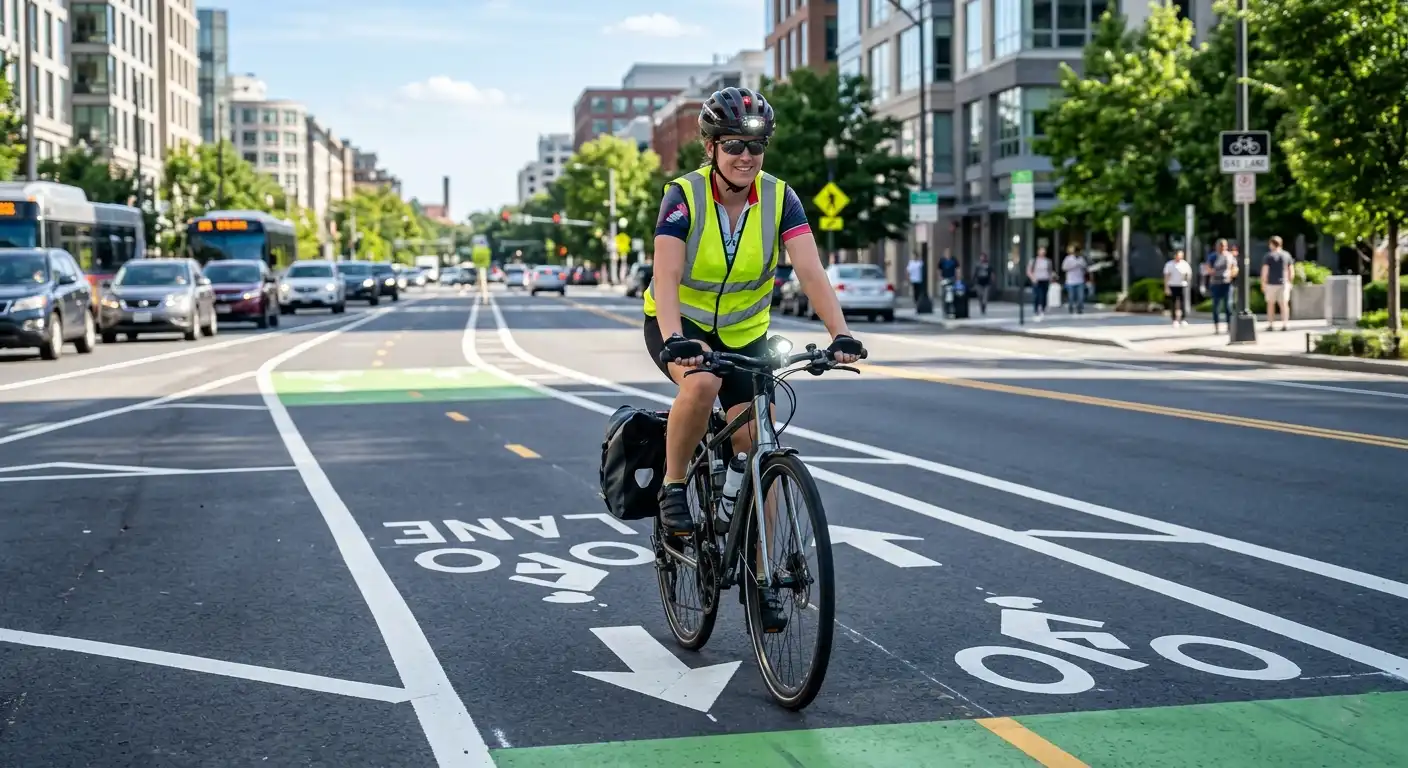
Visibility is a major factor in preventing accidents, particularly when riding at night or in low-light conditions. Always use a front light and a rear light on your bike. These lights help other drivers and cyclists see you clearly. Additionally, wear reflective vests, jackets, or tape on your bike to ensure you stand out, especially in the dark or during inclement weather. - Follow Traffic Laws
Cyclists in the US must follow the same traffic laws as motor vehicle drivers. This includes stopping at stop signs, signaling turns, and yielding to pedestrians at crosswalks. By following these rules, you can reduce your chances of being involved in an accident. Being predictable on the road makes you more visible to drivers and other cyclists. - Stay in the Bike Lane
Whenever possible, cyclists should ride in designated bike lanes. These lanes provide a safer space for cyclists, separating them from motor vehicles. If there are no bike lanes, ride in the direction of traffic and stay as far to the right as possible without obstructing traffic. - Wear Bright Clothing
Wearing bright, neon-colored clothing increases your visibility to drivers, especially in low-light conditions. Reflective materials or gear, such as vests and ankle bands, can further enhance your visibility and make you stand out even more on the road. - Avoid Distractions
Distractions can be deadly for cyclists. Always remain focused on the road, avoid texting, talking on the phone, or listening to music through headphones while riding. Staying alert to your surroundings will allow you to react quickly to any potential hazards. - Perform Regular Bike Maintenance
Ensuring that your bike is in good working order is essential for your safety. Regularly check your brakes, tires, and chain to ensure they are functioning correctly. A well-maintained bike reduces the risk of mechanical failures that could lead to accidents.
What to Do if Hit by a Vehicle
Even with the best safety precautions, accidents can still happen. If you’re involved in a bike accident, it’s important to know what to do immediately. Follow these steps:
If you’re ever involved in a cycling accident, knowing how to respond can significantly impact your health, safety, and legal options. Here’s what you need to do:
- Ensure Your Safety
If you’re hit by a car, try to move yourself and your bike to a safe area, away from traffic. If you’re unable to move, try to remain calm until help arrives. - Check for Injuries
Assess your body for injuries. If you’re seriously hurt, don’t attempt to move unless absolutely necessary. Wait for medical professionals to arrive. - Call 911 and Report the Accident
Contact the authorities immediately to report the accident. They’ll document the scene and create an official report, which will be essential for insurance claims and legal action. - Gather Information
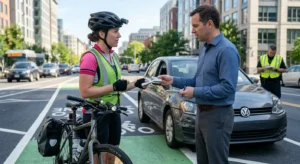
Collect the driver’s contact and insurance details, along with any witnesses’ contact information. If possible, take photos of the scene, your injuries, and any damage to your bike. This evidence will help support your case. - Seek Medical Attention
Even if you don’t feel injured, it’s important to visit a healthcare professional as soon as possible. Some injuries, like whiplash or concussions, may not show symptoms immediately. - Contact a Personal Injury Lawyer
After the accident, contact an experienced personal injury lawyer to help you navigate your legal options. A lawyer can help ensure that you receive appropriate compensation for medical bills, lost wages, and any pain and suffering caused by the accident. - Notify Your Insurance
Report the accident to your insurance company as soon as possible, even if you were not at fault. They’ll guide you through the claims process.

How to Prevent Bike Accidents
Preventing accidents is always the best approach. While accidents can happen even with the best precautions, cyclists can take several steps to minimize the risk of a crash:
- Cyclists should always stay alert, scan the road ahead, and be prepared for sudden hazards like potholes, debris, or cars unexpectedly turning.
- Drivers must be vigilant and yield to cyclists, especially in areas where bike lanes intersect with car lanes. Giving cyclists plenty of space when passing and avoiding distractions while driving can help prevent accidents.
- Educating cyclists and drivers about sharing the road safely is crucial for reducing bike accidents. Governments, cities, and organizations like the League of American Bicyclists regularly offer training and safety campaigns to promote safe cycling.
Conclusion
Cycling is an enjoyable and sustainable way to travel, but safety must always be a top priority. By following basic bike safety tips, such as wearing a helmet, using lights, following traffic laws, and staying visible, cyclists can reduce their risk of accidents. However, accidents may still occur, so knowing the right steps to take afterward—such as calling 911, gathering evidence, and seeking medical care—can make all the difference. If you’re injured, consulting with an experienced personal injury lawyer can help you navigate the claims process and ensure you receive the compensation you deserve.