
Construction Site Safety: Common Hazards and Prevention
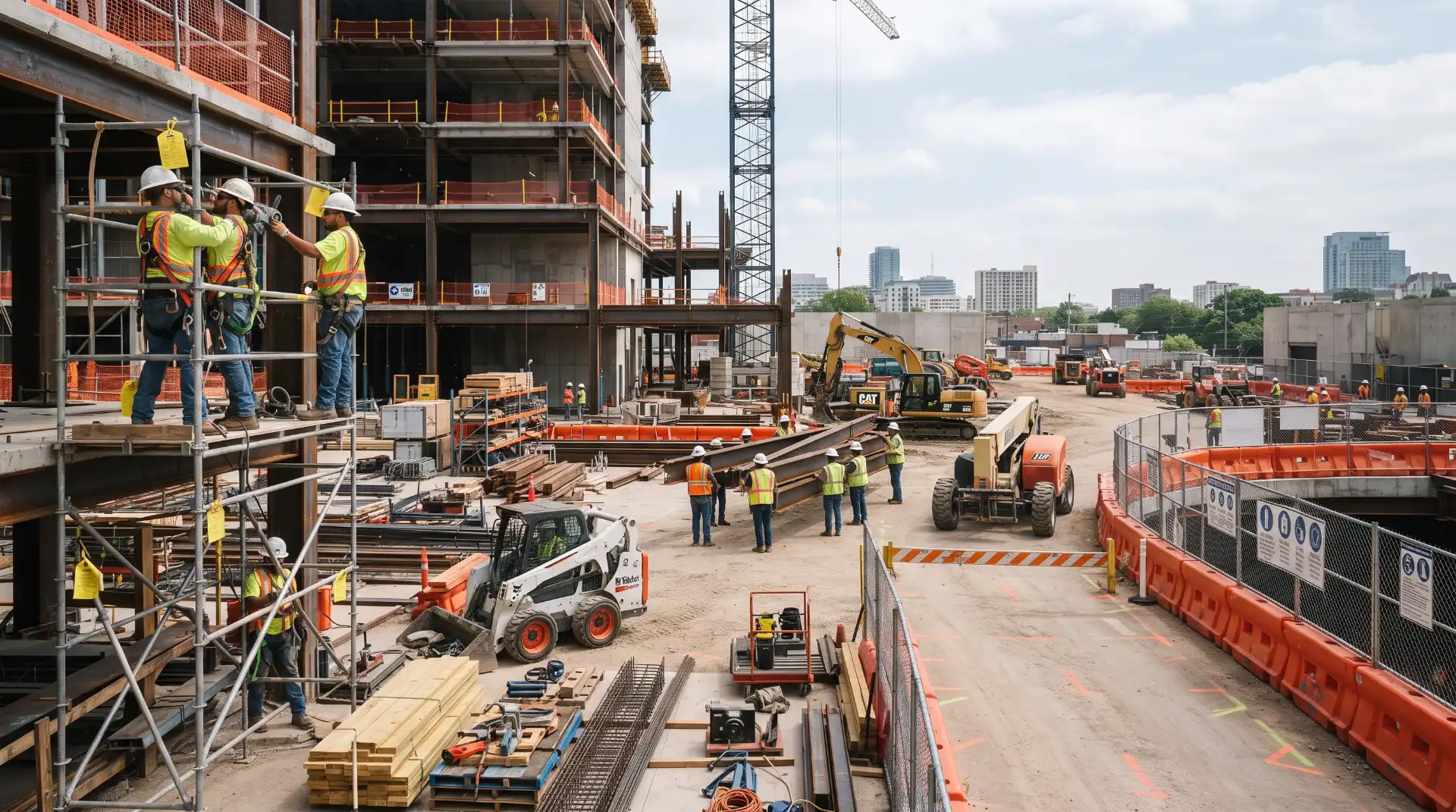
Construction sites are responsible for building the homes, roads, bridges, and commercial structures that support communities throughout the United States. However, construction work also remains one of the most hazardous industries because workers regularly face changing environments, heavy machinery, elevated surfaces, electrical systems, and unpredictable conditions.
Construction site safety is not simply a set of rules workers follow after arriving at a job site. It is a complete approach to identifying hazards, preventing accidents, and creating a workplace where employees can complete their tasks without unnecessary risks.
According to the Occupational Safety and Health Administration (OSHA), thousands of construction workers experience workplace injuries every year. Many of these incidents involve hazards that can be reduced or eliminated through proper training, equipment maintenance, protective measures, and strong safety procedures.
OSHA identifies four major construction hazards that continue to contribute to serious injuries and fatalities: falls, struck-by incidents, caught-in or caught-between accidents, and electrocution.
For official construction safety standards and workplace requirements, OSHA provides detailed guidance through its construction safety resources:
Why Construction Site Safety Is Important
Every construction project involves multiple people working together, including contractors, equipment operators, supervisors, engineers, and laborers. Because construction environments change constantly, a safe condition at the beginning of a project can become dangerous as new equipment, structures, and materials are introduced.
A construction accident can affect far more than the injured worker. Serious incidents may lead to medical expenses, lost income, project delays, increased operational costs, and emotional consequences for employees and their families.
Many construction accidents happen because of preventable issues such as poor communication, lack of training, improper equipment use, or failure to recognize hazards. Building a strong safety culture helps companies identify risks before they become accidents.
A safe construction site begins before workers arrive. Proper planning, site inspections, equipment checks, and clear communication are all essential parts of preventing injuries.
Common Construction Site Hazards
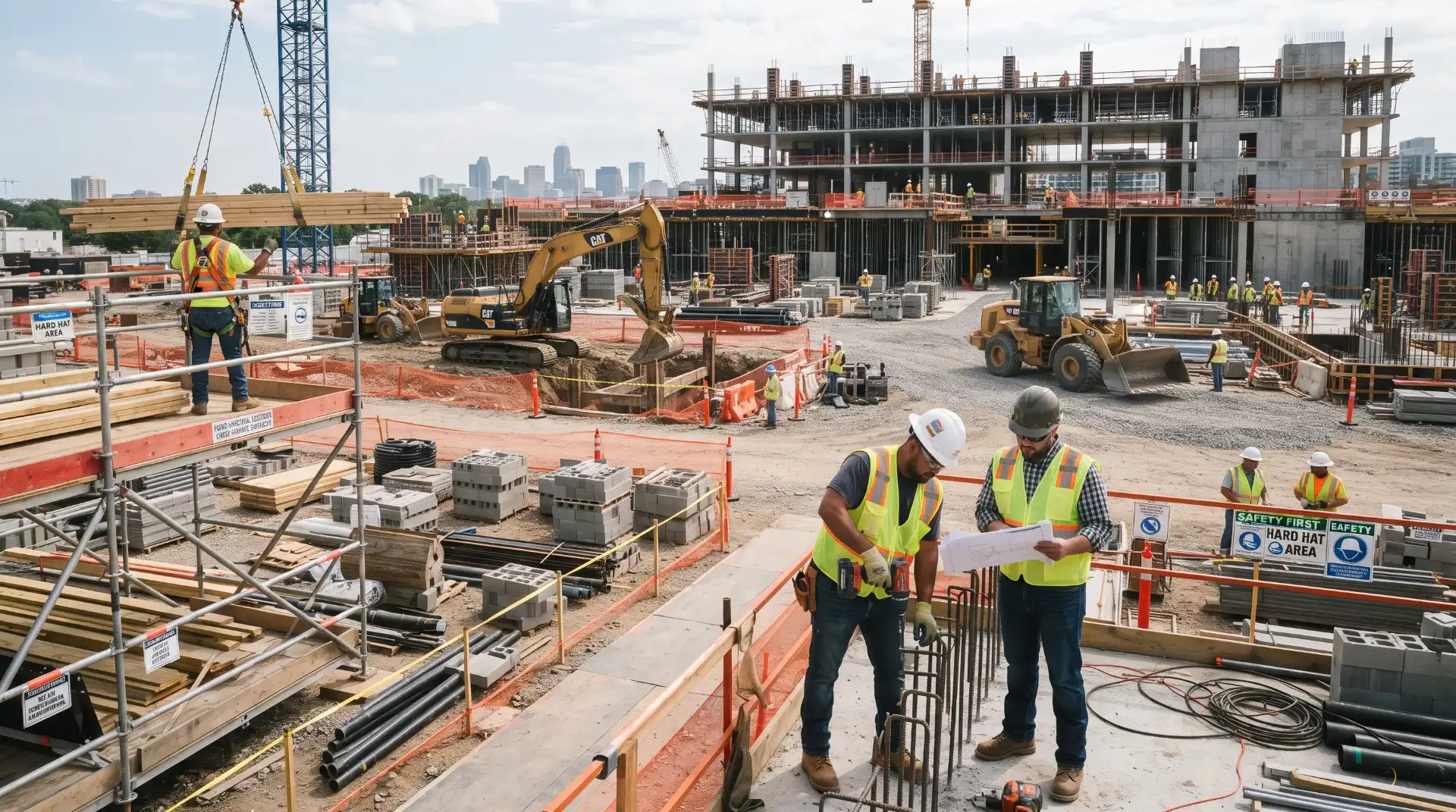
Construction workers face numerous hazards depending on the type of project they are working on. A residential building project may have different risks than a highway construction project or a large commercial development, but many dangers appear across nearly all construction environments.
Falls From Heights
Falls are one of the leading causes of serious injuries and deaths in the construction industry. Workers may be exposed to fall risks when working on roofs, ladders, scaffolding, elevated platforms, or unfinished structures.
A fall from even a moderate height can cause severe injuries, including fractures, traumatic brain injuries, spinal injuries, and permanent disabilities.
Preventing falls requires more than simply providing safety equipment. Employers must ensure that workers receive proper training and that elevated work areas are designed and maintained with appropriate protection systems.
Guardrails, safety harnesses, personal fall arrest systems, and properly installed scaffolding all help reduce the likelihood of dangerous falls.
Workers should also be encouraged to report unsafe conditions, such as unstable surfaces or missing protective barriers, before beginning work.
Struck-By Hazards on Construction Sites
Construction sites often contain moving equipment, vehicles, tools, and materials. When workers are not aware of their surroundings, they may be struck by objects or machinery.
Examples include being hit by construction vehicles, falling materials from elevated areas, swinging equipment, or improperly secured loads.
Heavy machinery such as cranes, forklifts, and excavators requires careful coordination between operators and workers nearby. Communication failures can create dangerous situations, especially in areas where visibility is limited.
Reducing struck-by accidents requires clear work zones, proper signaling systems, equipment inspections, and awareness among everyone on the job site.
Workers should understand equipment movement patterns and avoid entering areas where machinery is actively operating unless it is safe to do so.
Electrical Safety Risks in Construction
Electricity is another major hazard in construction environments. Workers may encounter temporary electrical systems, exposed wiring, power tools, generators, and overhead power lines.
Electrical accidents can cause severe burns, neurological injuries, heart complications, and fatalities. Many electrical incidents occur because of damaged equipment, improper installation, or failure to recognize electrical hazards.
Construction companies can reduce electrical risks by maintaining equipment, providing proper training, and ensuring workers follow established electrical safety procedures.
Employees who work around electrical systems must understand the dangers involved and know when specialized training is required before performing certain tasks.
Caught-In and Caught-Between Accidents
Caught-in and caught-between accidents occur when workers become trapped between equipment, materials, or structures. These incidents can happen suddenly and often result in severe injuries.
Examples include workers becoming trapped in machinery, being pinned between vehicles and objects, or being injured during excavation work.
Trenching and excavation projects are especially dangerous because soil conditions can change quickly. A trench collapse can happen without warning if proper protective systems are not used.
OSHA has specific excavation safety requirements designed to reduce these risks, including proper inspections, protective systems, and safe access methods.
Employers and supervisors must carefully evaluate excavation conditions before allowing workers to enter these areas.
Personal Protective Equipment and Construction Safety
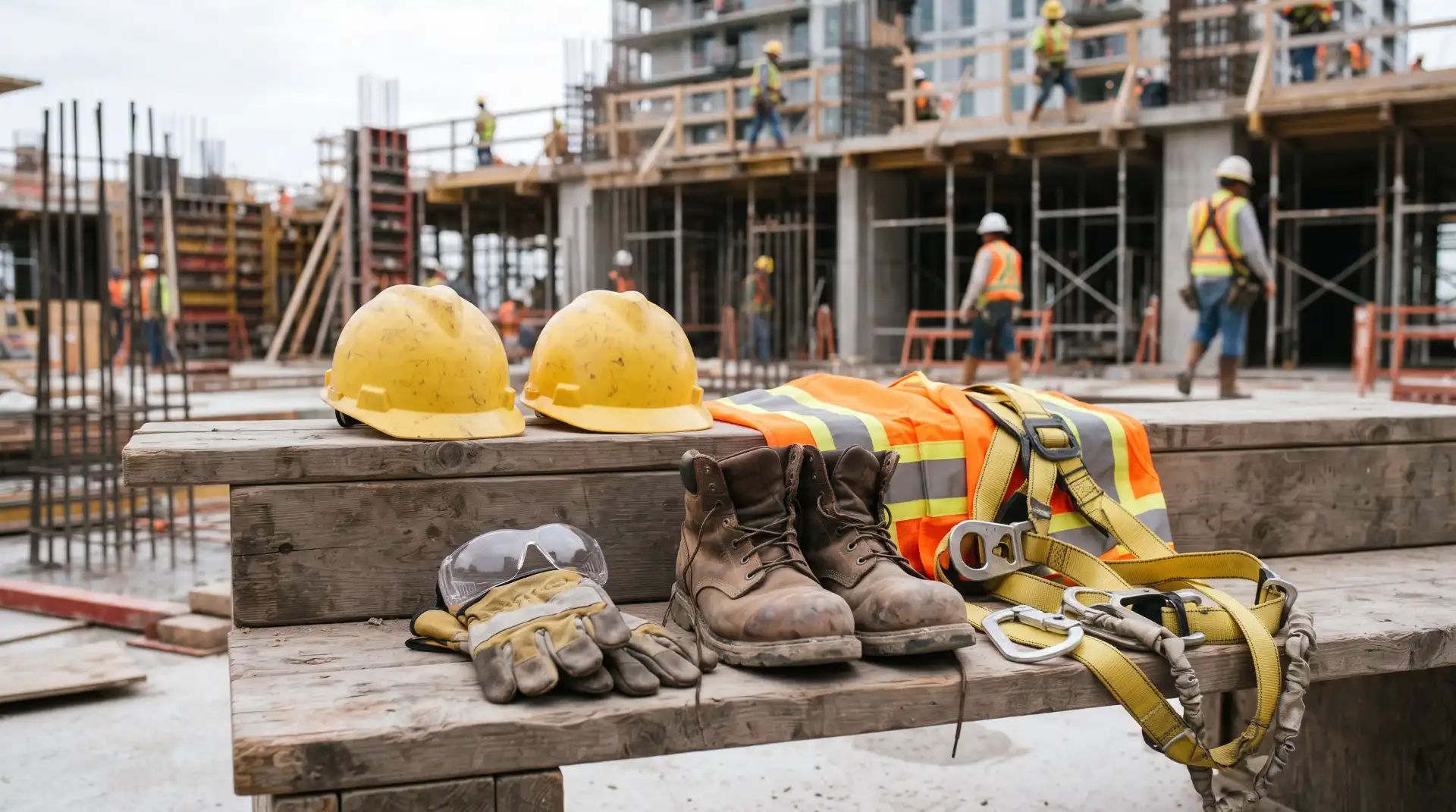
Personal protective equipment, commonly called PPE, plays an important role in reducing workplace injuries. While PPE does not remove hazards completely, it provides an additional layer of protection when workers encounter dangerous conditions.
Hard hats help protect against falling objects and impacts. Safety glasses reduce the risk of eye injuries from dust, debris, and chemicals. Protective footwear helps prevent injuries caused by heavy materials or sharp objects.
Workers may also need hearing protection when operating or working near loud equipment. In situations involving elevated work, fall protection equipment can provide critical protection against serious injuries.
However, PPE should never replace proper safety planning. The safest construction sites combine protective equipment with training, inspections, and hazard prevention strategies.
The Importance of Construction Safety Training
Training is one of the most effective ways to prevent construction accidents. Workers need to understand not only how to complete their assigned tasks but also how to identify hazards before they create dangerous situations.
Safety training helps employees recognize risks involving equipment, electrical systems, hazardous materials, and workplace conditions.
New workers should receive safety orientation before entering active construction areas. Experienced employees should also receive regular updates because construction methods, equipment, and project conditions can change.
A workplace where employees feel comfortable reporting hazards is more likely to prevent accidents. When workers can communicate concerns without hesitation, problems can often be addressed before injuries occur.
Employer Responsibilities in Construction Safety
Construction companies have a responsibility to provide safe working environments. This includes following OSHA requirements, maintaining equipment, providing training, and creating procedures that reduce unnecessary risks.
Safety should be part of company culture rather than something addressed only after an accident happens.
Effective employers regularly inspect job sites, communicate hazards, encourage safety reporting, and ensure workers have the knowledge and equipment needed to complete their tasks safely.
Supervisors also play an important role because they are responsible for monitoring daily operations and identifying unsafe conditions.
Strong leadership can significantly influence whether safety becomes a priority throughout a construction project.
How Technology Is Improving Construction Safety
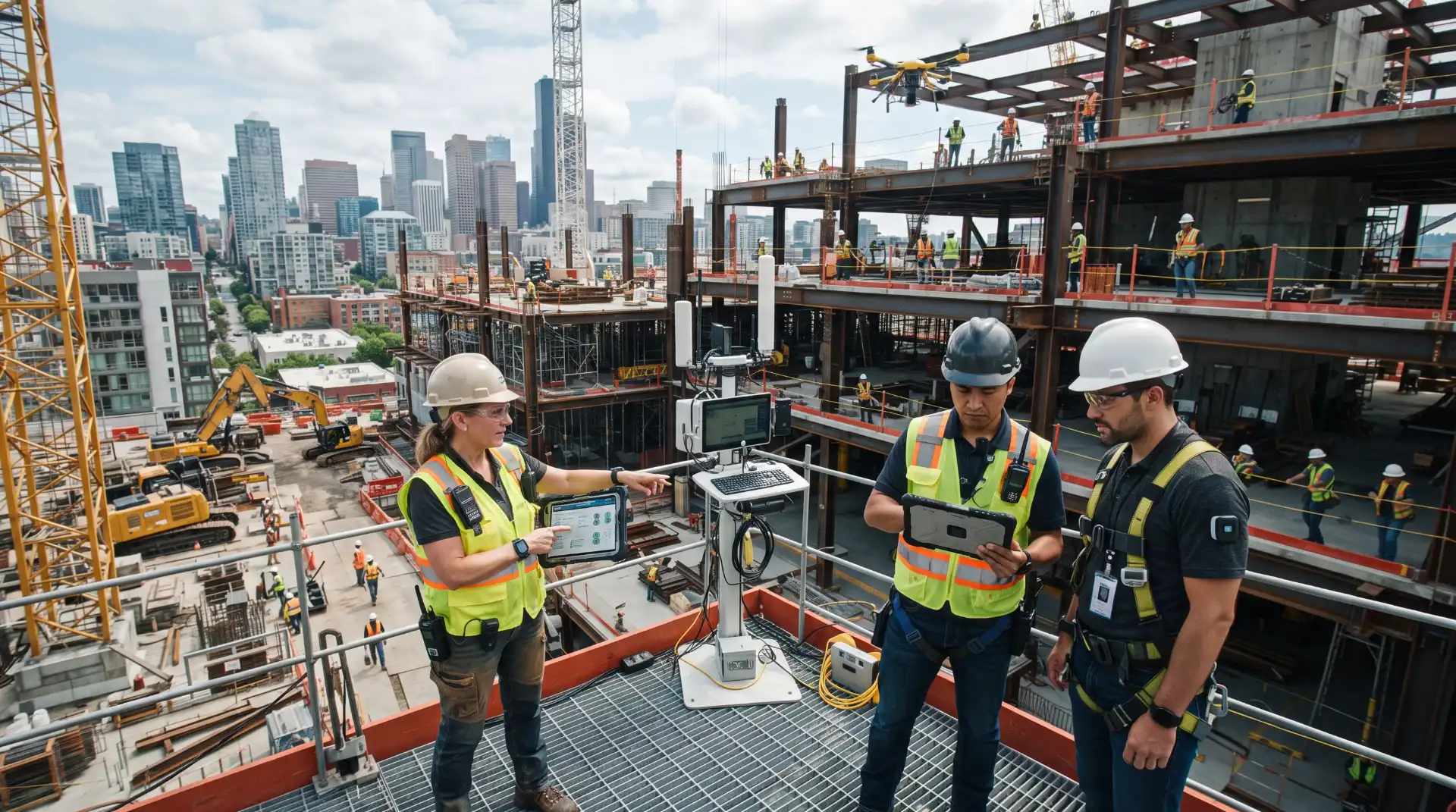
Technology is changing the way construction companies identify and prevent workplace hazards.
Digital safety platforms allow companies to track inspections, document incidents, and communicate safety updates more efficiently.
Wearable devices can help monitor worker location, environmental conditions, and potential exposure to dangerous situations. Drones allow companies to inspect difficult-to-access areas without putting workers at unnecessary risk.
Artificial intelligence systems are also being developed to identify unsafe behaviors, monitor equipment interactions, and provide early warnings about potential hazards.
As construction technology continues to advance, companies have more opportunities to prevent accidents before they happen.
Creating a Safer Construction Industry
Construction safety depends on cooperation between employers, supervisors, contractors, and workers. Every person on a construction site has a role in preventing injuries.
Following safety procedures, using equipment correctly, reporting hazards, and avoiding shortcuts can make a significant difference.
Many workplace accidents happen because of small decisions made during everyday tasks. Taking extra time to complete work safely can prevent life-changing injuries.
A strong safety culture recognizes that productivity and safety are not competing goals. A well-managed construction site can complete projects efficiently while protecting the people responsible for building them.
What Happens After a Construction Accident?
Even with strong safety practices, accidents can still occur. When a worker is injured, immediate medical attention should always come first.
After an accident, documentation becomes important. Workers and employers should ensure that incidents are properly reported and investigated so that similar problems can be prevented in the future.
Construction accidents may involve complex issues related to workplace conditions, equipment failures, contractor responsibilities, or safety violations.
Understanding what caused an accident can help determine what steps should be taken afterward and how future risks can be reduced.
Final Thoughts
Construction sites will always involve certain risks because of the nature of the work. However, many serious injuries can be prevented through proper preparation, training, communication, and safety awareness.
Construction site safety protects workers, companies, and communities. By recognizing common hazards and applying effective prevention strategies, the construction industry can continue building America’s future while protecting the people who make those projects possible.
Safety is not only about following regulations. It is about creating a workplace where every worker has the opportunity to return home safely at the end of the day.