
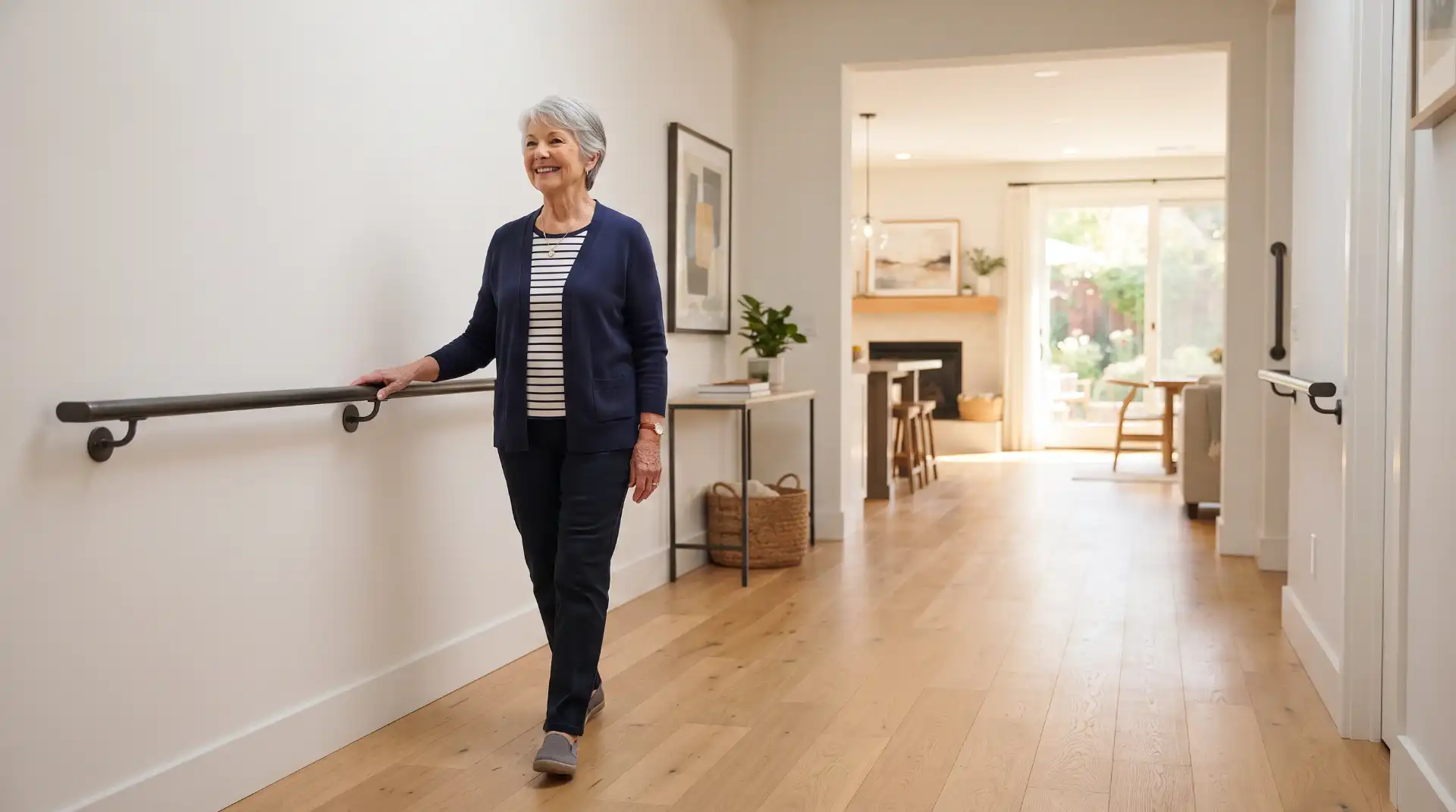
Fall injuries among older adults are a significant public health concern across the United States. Falls can cause fractures, head injuries, mobility problems, and a loss of independence. Many risk factors can also be identified and addressed before a serious injury occurs.
Falls are the leading cause of injury among Americans ages 65 and older. More than 14 million older adults report falling each year. That represents about one in four people in this age group. About 37 percent of those who fall report an injury requiring medical treatment or restricting activity.
Recent data also shows why fall prevention deserves continued attention. The age adjusted fall death rate among adults 65 and older increased 21 percent between 2018 and 2024.
Aging does not mean that falls are inevitable. Changes to physical health, medications, vision, footwear, exercise habits, and the home environment can reduce many common risks.
Why Falls Become More Common With Age
A person’s balance depends on several systems working together. Muscles provide strength. Joints allow movement. The eyes provide information about surroundings. The inner ear contributes to balance and spatial awareness.
Age related changes can affect several of these systems at the same time.
Muscle strength may decline when an older adult becomes less physically active. Joint stiffness can make quick movements more difficult. Vision changes may affect depth perception or make obstacles harder to notice.
Some health conditions can also affect walking, coordination, strength, or sensation. Medications may contribute to dizziness or sleepiness in some people. CDC guidance encourages older adults to discuss fall risk and medication effects with a health care provider or pharmacist.
Environmental hazards add another layer of risk.
A loose rug may not create a serious problem for a younger adult with quick reflexes. The same rug can become much more dangerous when balance or reaction time has changed.
Fall prevention therefore works best when people consider both personal health and their surroundings.
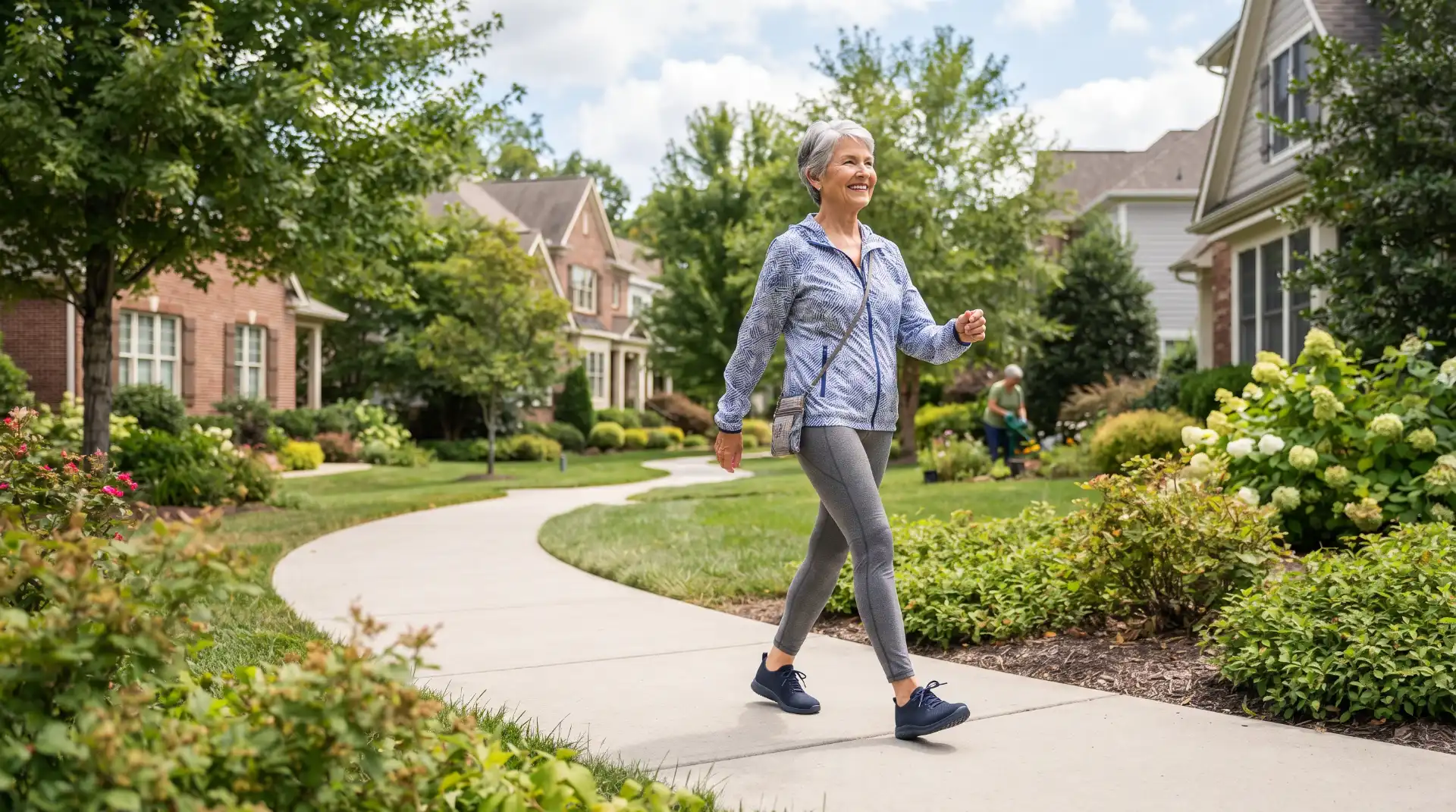
Common Fall Injuries Among Older Adults
Some falls cause only minor bruising or soreness. Others can result in injuries that require hospitalization, rehabilitation, or long periods of reduced activity.
The seriousness of an injury depends on several factors. These include the direction of the fall, the surface, the height, and the person’s underlying health.
Hip Fractures
Hip fractures are among the most serious injuries associated with falls in older adults.
CDC reports about 300,000 hospitalizations related to hip fractures from older adult falls each year. Recovery can be difficult, and some people experience lasting changes in their ability to live independently.
A hip fracture may occur after a person falls sideways onto a hard surface. Bone strength also influences injury risk.
Conditions that weaken bones can make fractures more likely after an impact that might otherwise cause less severe injury.
Older adults may benefit from discussing bone health and osteoporosis screening with their health care providers. CDC includes osteoporosis screening among its fall and hip fracture prevention guidance.
Head Injuries
Falls can also cause head injuries ranging from mild concussions to more serious traumatic brain injuries.
A person may strike the floor, furniture, stairs, a wall, or another object during a fall.
Head injuries deserve particular attention because symptoms may not always seem serious immediately.
Headache, dizziness, confusion, unusual sleepiness, vomiting, memory problems, weakness, or changes in behavior may require medical assessment.
Older adults taking medications that affect blood clotting may have additional concerns after a head impact. A health care professional can evaluate the circumstances and symptoms.
Readers can learn more about head trauma in Understanding Traumatic Brain Injuries. Injuries.wiki notes that falls are an important cause of TBI, particularly among older adults.
Wrist and Arm Fractures
People often extend their hands instinctively when falling.
This reaction may protect the face or upper body, but it transfers force into the hands, wrists, and arms.
Wrist fractures can interfere with dressing, cooking, driving, bathing, and other daily activities.
Arm and shoulder injuries may create similar difficulties, particularly when an older adult relies on a cane, walker, or handrail.
Ankle and Knee Injuries
A trip does not always result in a direct impact with the floor.
A person may twist an ankle or knee while trying to regain balance.
Ligament injuries, sprains, bruising, and fractures can occur during these movements.
Even a less serious lower limb injury can temporarily affect walking. Reduced mobility may then contribute to muscle weakness if normal activity declines for an extended period.
Back and Spinal Injuries
Falls can place sudden force on the spine.
Some people experience muscle strains or back pain. Others may sustain fractures or more serious injuries.
Persistent back pain, numbness, weakness, or changes in walking after a fall should receive medical attention.
Where Older Adult Falls Commonly Happen
Falls can happen almost anywhere, but homes contain many everyday hazards.
Bedrooms, bathrooms, stairs, kitchens, entryways, garages, and outdoor walkways can each present different risks.
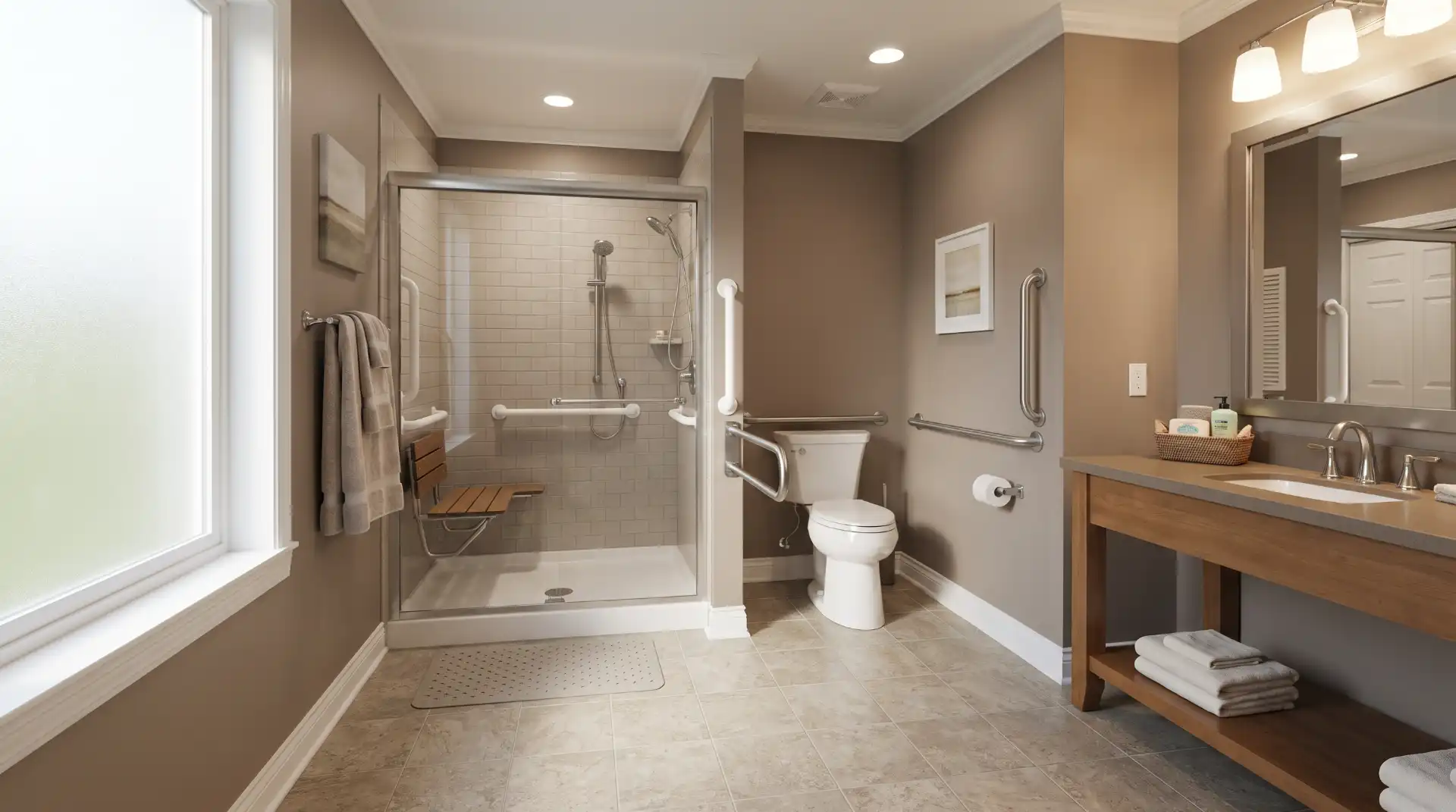
Bathrooms deserve particular attention because water can create slippery surfaces. Getting into or out of a shower may also require balance while stepping over an edge.
Stairs combine elevation changes with repeated foot placement. Poor lighting, loose carpeting, missing handrails, or objects left on steps can increase the risk.
Bedrooms may contain loose rugs, electrical cords, furniture, or objects between the bed and bathroom.
Nighttime walking adds another concern. A person who wakes suddenly may feel less steady, especially in low lighting.
Outdoor environments can include cracked pavement, uneven sidewalks, curbs, wet leaves, snow, ice, and changes in elevation.
The Injuries.wiki guide to Common Causes of Slip and Fall Accidents discusses wet surfaces, poor lighting, uneven flooring, clutter, and unsuitable footwear as common hazards.
Strength and Balance Play a Major Role
Strong leg muscles help people rise from chairs, climb stairs, change direction, and recover when they lose balance.
Balance also allows the body to respond when a surface changes unexpectedly.
Physical activity can support both abilities.
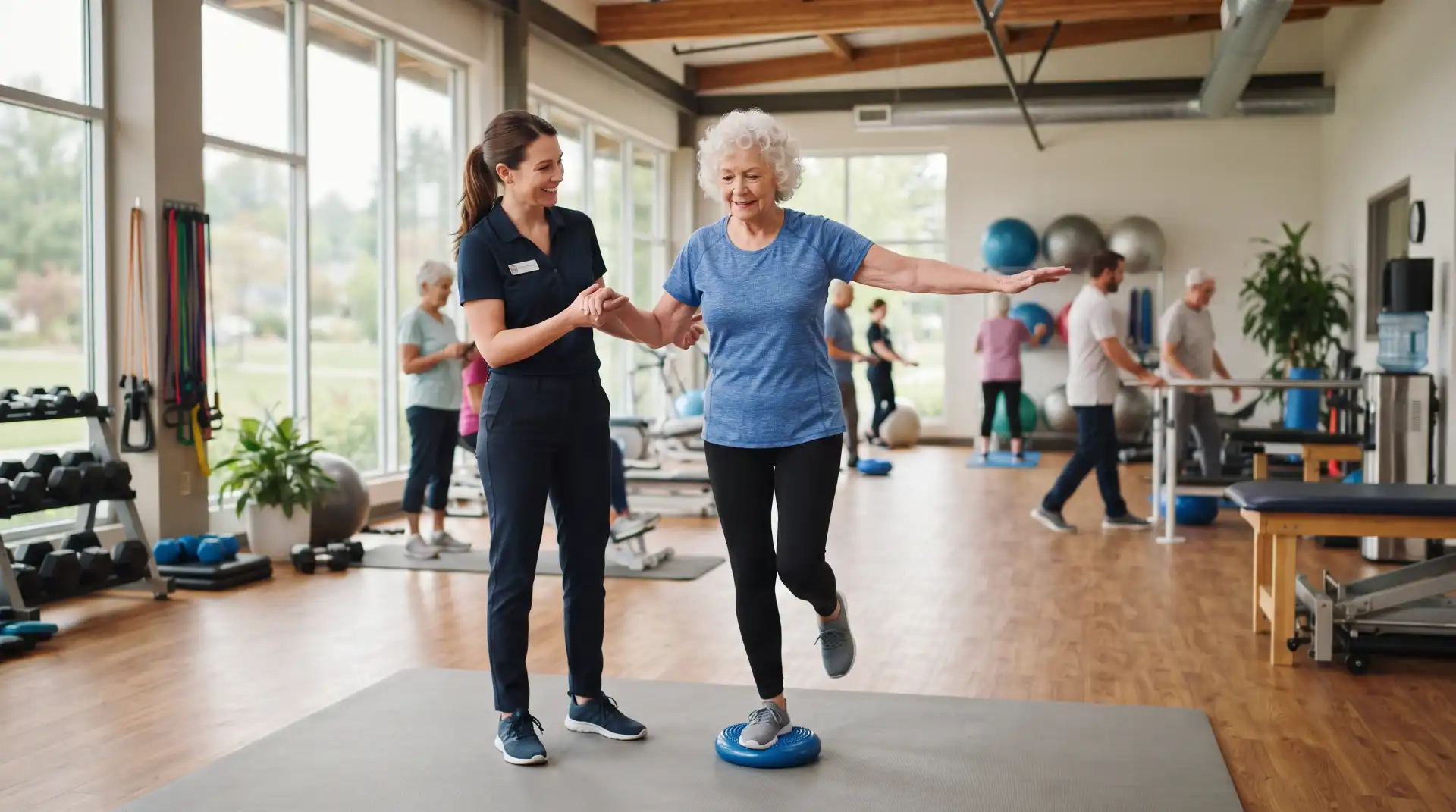
CDC advises older adults to perform exercises that improve leg strength and balance. The agency identifies Tai Chi as one example. Its vision and falls guidance also discusses yoga and strengthening activities.
The appropriate activity depends on the individual.
An older adult who already exercises regularly may have different needs from someone recovering from surgery or dealing with mobility limitations.
People with significant balance problems or health conditions can discuss appropriate activity with a physician, physical therapist, or other qualified health professional.
The objective does not need to involve intense exercise.
Consistent movement that matches a person’s ability may help maintain strength, coordination, flexibility, and confidence.
Why Staying Active Matters
Fear often develops after a fall.
An older adult may begin avoiding stairs, outdoor walks, shopping trips, social events, or exercise because another fall feels possible.
That reaction is understandable. However, greatly reducing activity may contribute to physical deconditioning.
Muscles can weaken when they receive less use. Balance may also decline when a person stops performing everyday movements.
This can create a difficult cycle.
A fall causes fear. Fear reduces activity. Reduced activity contributes to weakness. Weakness may increase fall risk.
A gradual return to appropriate activity can help interrupt this pattern.
Family members may also help by encouraging safe independence rather than automatically taking over every physical task.
Support can focus on removing unnecessary hazards while preserving activities the older adult can perform safely.
Review Medications With a Health Care Professional
Medication effects can influence balance.
Some prescription and over the counter medicines may cause dizziness, drowsiness, weakness, or changes in blood pressure.
Taking several medications can make the situation more complicated.
CDC encourages older adults to ask a physician or pharmacist to review their medications for effects that may increase fall risk.
People should not stop prescribed medication on their own because they are concerned about falls.
Instead, they can bring a complete medication list to a medical appointment.
That list can include prescription drugs, over the counter products, and other substances the health care professional asks about.
A medication review may help identify whether symptoms such as dizziness appeared after a prescription change.
Pay Attention to Vision
Safe walking depends heavily on accurate visual information.
People need to see steps, curbs, floor transitions, objects, and changes in surface height.
Vision impairment can make these hazards harder to recognize.
CDC notes a relationship between vision problems and fall risk in older adults. Its guidance encourages regular eye care and updated prescriptions when needed.
Home lighting also matters.
Dim hallways and stairways can hide obstacles. Bright, accessible lighting can make changes in floor level easier to recognize.
Night lights may help illuminate routes used after dark.
Light switches should also be easy to reach from common entry points.
Choose Footwear With Stability in Mind
Footwear affects traction, balance, and foot placement.
Shoes that fit poorly can change the way a person walks. Smooth or worn soles may offer less traction on certain surfaces.
CDC advises older adults to use sturdy, nonslip footwear that fits correctly.
A person’s individual foot needs may differ.
Foot pain, numbness, swelling, deformities, or other problems may influence footwear choices.
People experiencing persistent foot problems can discuss them with an appropriate health professional.
Shoes are only one part of prevention, but they interact with nearly every step a person takes.
Make Walking Areas Easier to Navigate
Small home changes can reduce unnecessary obstacles.
A useful starting point involves walking through the home and looking at it from the perspective of someone with limited balance.
Are there cords crossing pathways?
Are frequently used items stored where they require climbing?
Do rugs slide?
Is furniture positioned where someone could bump into it at night?
Do stairs have sturdy handrails?
CDC advises removing trip hazards, improving lighting, installing stair railings, and adding bathroom grab bars.
These improvements do not need to make a home look clinical.
Modern safety features can blend into normal residential design while providing useful support.
The goal involves making common movements easier and more predictable.
Give Bathrooms Extra Attention
Bathrooms combine several fall risks in a small area.
Water creates slippery surfaces. Toilets and tubs require sitting, standing, or stepping movements. Hard surfaces can also increase injury severity.
Grab bars can provide stable support near showers, tubs, and toilets.
They should be designed and installed for load bearing use. Decorative towel bars are not substitutes for proper grab bars.
Nonslip surfaces can also improve traction.
Items used during bathing should remain within easy reach. Stretching or leaning for shampoo, towels, or soap can affect balance.
Bright lighting helps users identify wet areas and floor transitions.
CDC specifically identifies bathroom grab bars as a home modification that can reduce fall risk.
Improve Stair Safety
Stairs require coordination, depth perception, balance, and lower body strength.
A single missed step can lead to a serious fall.
CDC advises placing railings on both sides of stairs.
Good lighting can also make each step easier to distinguish.
Objects should not remain on stairways, even temporarily.
Loose carpeting, damaged edges, and unstable railings need attention because they can change the expected walking surface.
People who wear reading glasses, bifocals, or progressive lenses may also notice that stairs look different through various portions of the lens.
Anyone having difficulty judging steps can discuss vision concerns with an eye care professional.
Consider Assistive Devices When Appropriate
Canes and walkers can provide useful stability for people who need additional support.
However, an assistive device should suit the person’s height, strength, balance, and walking pattern.
A poorly fitted cane can provide less support than expected. A walker used incorrectly may also create new problems.
A physical therapist or other qualified professional can assess mobility and explain proper use.
Assistive devices also need routine inspection.
Worn rubber tips, loose components, or damaged wheels can affect stability.
The goal is not simply to own a mobility aid. The device needs to function properly and match the person using it.
Pay Attention to Pets and Everyday Household Habits
Pets offer companionship, but they can also move unexpectedly around a person’s feet.
Food bowls, toys, leashes, and pet beds may become obstacles.
This does not mean older adults need to avoid pets.
Simple changes can make shared spaces easier to navigate.
Pet supplies can stay outside major walking routes. Leashes and toys can have designated storage areas.
Family members can also consider whether a pet commonly rushes toward doors or circles someone’s feet during meals.
Similar attention applies to packages, shoes, laundry baskets, and other temporary household clutter.
The safest walkway is often one that remains predictable.
What to Do After a Fall
An older adult should first determine whether movement feels safe after a fall.
Severe pain, obvious deformity, inability to stand, significant bleeding, head trauma, confusion, weakness, or other concerning symptoms may require urgent medical assistance.
People should avoid forcing themselves upright when a serious injury seems possible.
Even when injuries seem minor, the cause of the fall deserves attention.
A fall may provide the first sign of a balance problem, medication effect, vision change, muscle weakness, or environmental hazard.
Discussing the event with a health care provider can help identify contributing factors.
The CDC’s STEADI program uses a framework built around screening, assessment, and intervention for older adults at risk of falling.
Do Not Ignore Falls Without Major Injuries
A fall that causes no fracture may seem harmless.
However, repeated falls or near falls can provide useful warning signs.
Someone who frequently catches furniture for support, loses balance while turning, or struggles to rise from a chair may have developing mobility problems.
Reporting these changes gives health professionals more information.
Waiting for a serious injury before discussing balance can miss opportunities for earlier intervention.
Family members may also notice changes before the older adult does.
They might see slower walking, hesitation on stairs, increased furniture grabbing, or avoidance of activities.
These observations can become useful topics during a medical visit.
Families Can Support Fall Prevention Without Removing Independence
Fall prevention often involves family members, caregivers, and friends.
Support works best when it respects the older adult’s independence.
Rather than treating every activity as dangerous, families can focus on specific risks.
They might help improve lighting, move frequently used items to accessible locations, repair a handrail, or accompany someone to a medical appointment.
They can also encourage safe physical activity.
CDC provides fall prevention resources specifically for patients and family caregivers through its STEADI Older Adult Fall Prevention program. The program includes home safety, footwear, exercise, and caregiver materials.
Fall Prevention Is a Continuing Process
A home that feels safe today may need changes later.
Vision can change. Medications can change. Mobility can change after an illness or surgery.
People may also move to a new home or begin using different rooms more frequently.
Fall prevention works better as an ongoing process rather than a one time project.
Older adults and families can periodically review common walking routes.
They can look at stairs, bathrooms, entrances, bedrooms, kitchens, and outdoor paths.
Medical appointments also create opportunities to discuss balance, vision, medications, bone health, and previous falls.
Readers looking for broader prevention information can explore The Most Common Types of Personal Injuries and How to Prevent Them. The guide covers falls, fractures, head injuries, and other common injury risks.
Why Preventing Falls Matters for Independent Living
The effects of a fall can extend beyond the original injury.
A fracture may limit walking. Reduced mobility can affect shopping, cooking, driving, household responsibilities, and social activities.
Recovery may involve rehabilitation and temporary assistance.
CDC notes that falls can threaten the health and independence of older adults. Hip fractures can be particularly difficult to recover from.
Preventing falls therefore involves more than avoiding bruises or broken bones.
It also supports mobility and the ability to participate in everyday life.
A strong prevention approach combines health care, physical activity, environmental safety, vision care, appropriate footwear, and awareness.
No single strategy addresses every risk.
The greatest benefit often comes from examining several factors together.
Final Thoughts
Fall injuries among older adults remain a major injury prevention issue in the United States. More than 14 million adults ages 65 and older report a fall each year.
These falls can cause hip fractures, head injuries, wrist fractures, back injuries, and mobility problems.
Many risk factors can be addressed.
Older adults can discuss medications, balance, vision, bone health, and previous falls with their health care providers. Appropriate strength and balance activities may support safer movement.
Homes can also become easier to navigate through better lighting, clear pathways, stable handrails, bathroom grab bars, and reduced tripping hazards.
Families and caregivers can contribute without unnecessarily limiting independence.
Most importantly, a fall should not automatically be viewed as an unavoidable part of aging. CDC emphasizes that older adult falls can be prevented, and proven strategies can reduce fall risk.
Taking fall risk seriously before an injury occurs can support safer mobility, confidence, and independence throughout later life.