
Parking Lot Accidents And Who May Be Liable
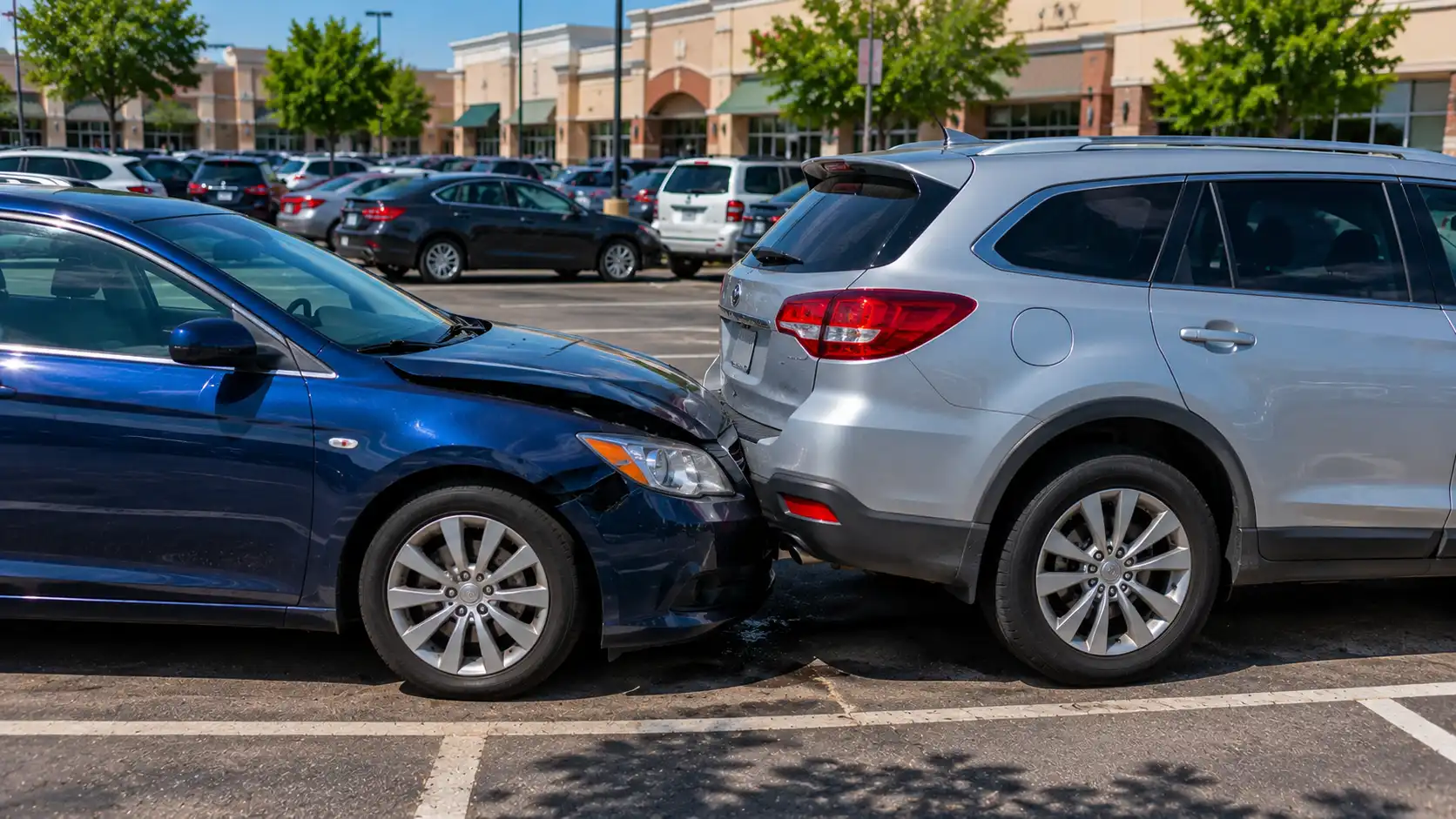
Parking lot accidents happen every day throughout the United States. Many people assume parking lots are relatively safe because drivers usually travel at slower speeds. However, parking areas often create crowded and unpredictable environments where vehicles, pedestrians, shopping carts, and delivery drivers all move through limited spaces at the same time.
Even a low-speed collision may lead to vehicle damage, injuries, insurance disputes, and complicated questions about liability. Parking lot crashes may involve backing vehicles, distracted drivers, pedestrians crossing between parked cars, or drivers competing for limited parking spaces during busy shopping periods.
Unlike highway crashes, parking lot accidents sometimes create confusion because several parties may share responsibility. Understanding how these collisions happen and how liability is determined may help drivers better navigate the aftermath of an accident.
Why Parking Lot Accidents Happen So Often
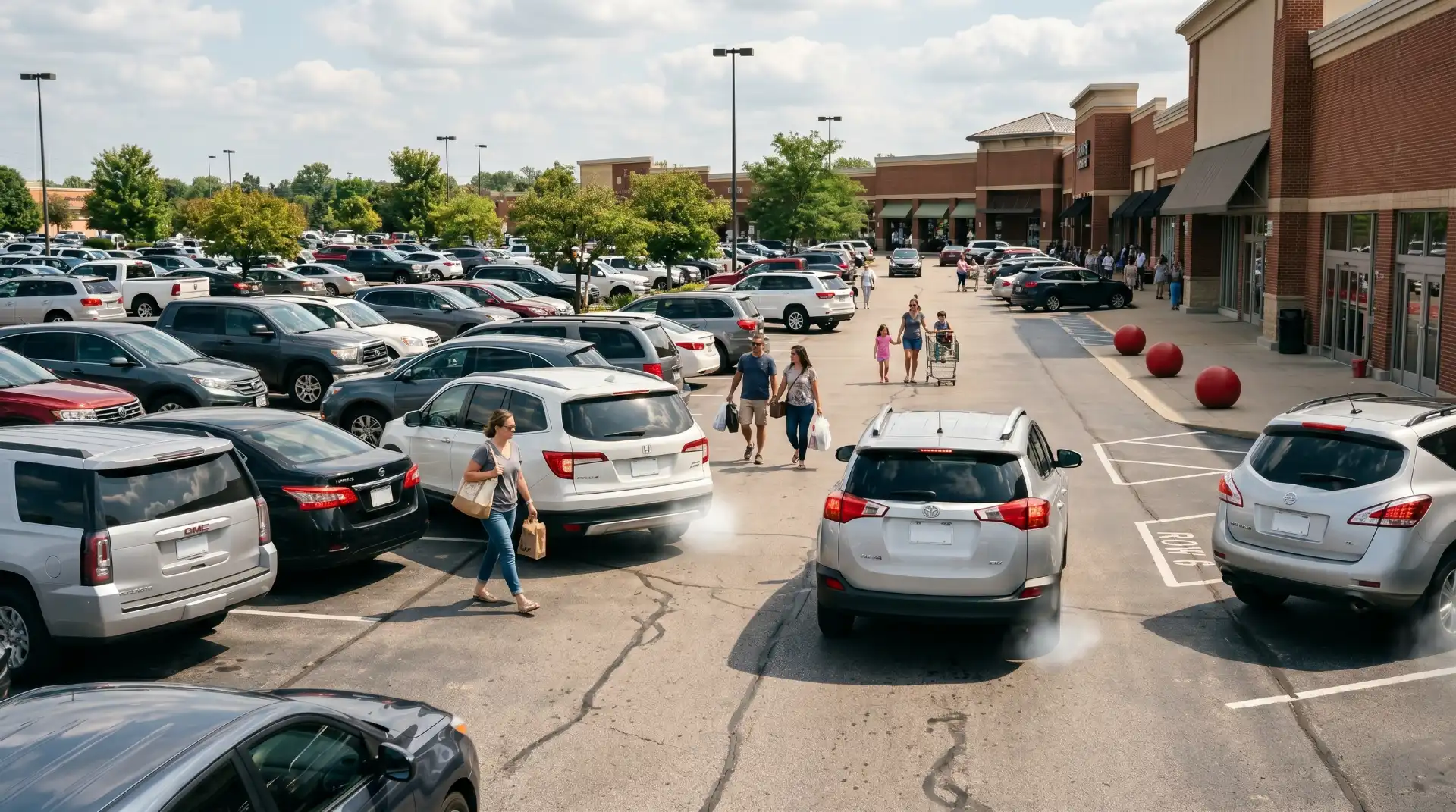
Parking lots create unique traffic conditions that differ significantly from public roads. Drivers constantly stop, turn, reverse, and search for open spaces while pedestrians move between vehicles carrying groceries, pushing carts, or using smartphones.
Visibility may also become limited because of large SUVs, pickup trucks, vans, and poorly designed parking layouts. Drivers often pay more attention to finding parking than watching surrounding traffic.
Busy commercial areas across the United States frequently experience parking lot congestion during weekends, holidays, and evening hours. Shopping centers, grocery stores, stadiums, office complexes, and entertainment venues all see high numbers of minor crashes each year.
Distracted driving continues to play a major role in parking lot collisions. Many drivers check text messages, adjust navigation systems, or browse mobile apps while moving through crowded parking areas. Even a brief distraction may increase the risk of striking another vehicle or pedestrian.
Weather conditions may also contribute to accidents. Rain, snow, fog, and icy pavement may reduce visibility and braking ability, especially during winter months in northern states.
Common Types Of Parking Lot Accidents
Parking lot collisions happen in several different ways, and the circumstances of the crash often influence who may be considered responsible.
One of the most common scenarios involves two vehicles backing out of parking spaces simultaneously. Both drivers may claim the other vehicle appeared suddenly, making liability difficult to determine without surveillance footage or witness statements.
Rear-end collisions also happen frequently in parking lots. Drivers may stop suddenly for pedestrians or waiting vehicles, causing another driver behind them to react too late.
Sideswipe accidents are common in narrow parking lanes where vehicles pass too closely together. Tight turns and limited maneuvering space often contribute to these crashes.
Pedestrian accidents may become especially serious even at lower speeds. Drivers backing up or turning through crowded parking lanes may fail to see someone walking behind the vehicle.
Some parking lot crashes also involve shopping carts rolling into parked vehicles during windy conditions or on sloped pavement. In certain situations, property maintenance practices may become part of the liability discussion.
Who May Be Liable After A Parking Lot Accident
Liability in parking lot accidents depends heavily on the specific actions of everyone involved. More than one party may share responsibility in some cases.
Drivers remain responsible for operating safely even inside private parking areas. Failing to yield, reversing carelessly, speeding through parking lanes, or driving while distracted may all contribute to negligence claims.
Parking lots often contain stop signs, directional arrows, pedestrian crossings, and lane markings. Ignoring these traffic controls may affect liability determinations after a crash.
Property owners may also face questions if unsafe parking lot conditions contributed to the accident. Poor lighting, faded pavement markings, broken signs, potholes, or obstructed visibility may increase accident risks.
For example, a shopping center with broken parking lot lights may create dangerous nighttime conditions that make it difficult for drivers or pedestrians to see each other clearly.
Pedestrians may sometimes share partial responsibility as well. Walking outside designated crossings, suddenly entering traffic lanes, or using phones while walking may contribute to accidents in crowded parking areas.
Vehicle defects occasionally become part of the investigation. Brake failures, steering problems, malfunctioning backup cameras, or sudden acceleration issues may increase crash risks.
How Insurance Companies Investigate Parking Lot Accidents
Insurance companies carefully review parking lot accidents because fault is not always immediately clear. Adjusters often examine vehicle damage, surveillance footage, photographs, witness statements, and police reports to understand how the collision occurred.
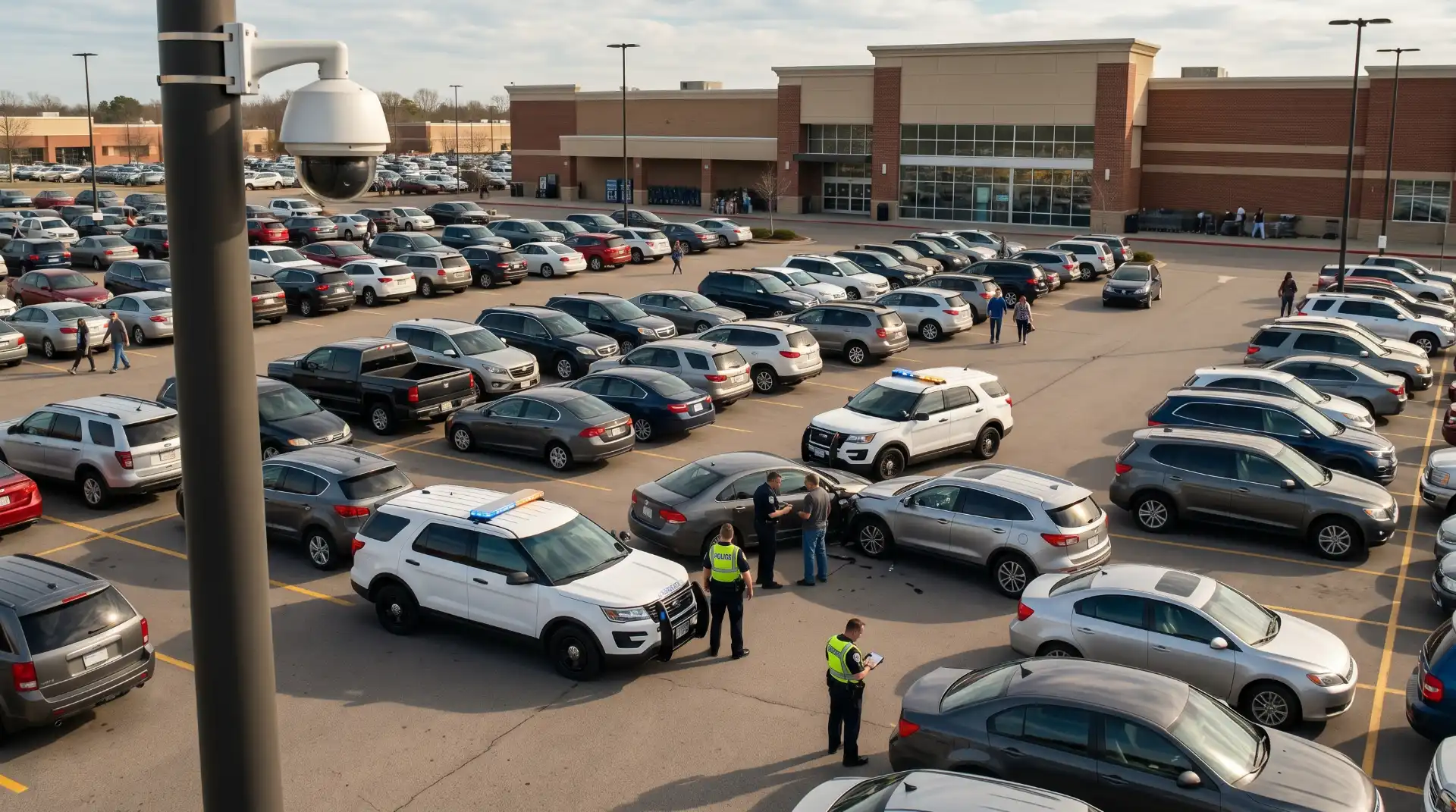
Security cameras have become increasingly common in shopping centers, apartment complexes, and commercial garages throughout the United States. Video footage may provide valuable evidence showing vehicle movement, pedestrian activity, and traffic flow before impact.
Insurance companies also evaluate whether drivers followed parking lot traffic controls. Failing to stop at posted signs or driving against directional arrows may strongly influence liability decisions.
Although parking lot crashes often happen at lower speeds, injury claims may still arise. Whiplash, neck pain, back injuries, and head injuries sometimes develop even after seemingly minor impacts.
Insurance disputes may become more complicated when both drivers claim the other caused the crash. Comparative negligence laws in many states allow fault to be divided among multiple parties.
What Drivers Should Do After A Parking Lot Accident
The moments after a parking lot accident may feel stressful and confusing, especially in crowded commercial areas with traffic continuing to move nearby.
Safety should remain the first priority. Drivers may move vehicles out of traffic lanes when possible and check everyone involved for injuries.
Even if injuries seem minor, medical evaluation may still become important because some symptoms appear hours or days later.
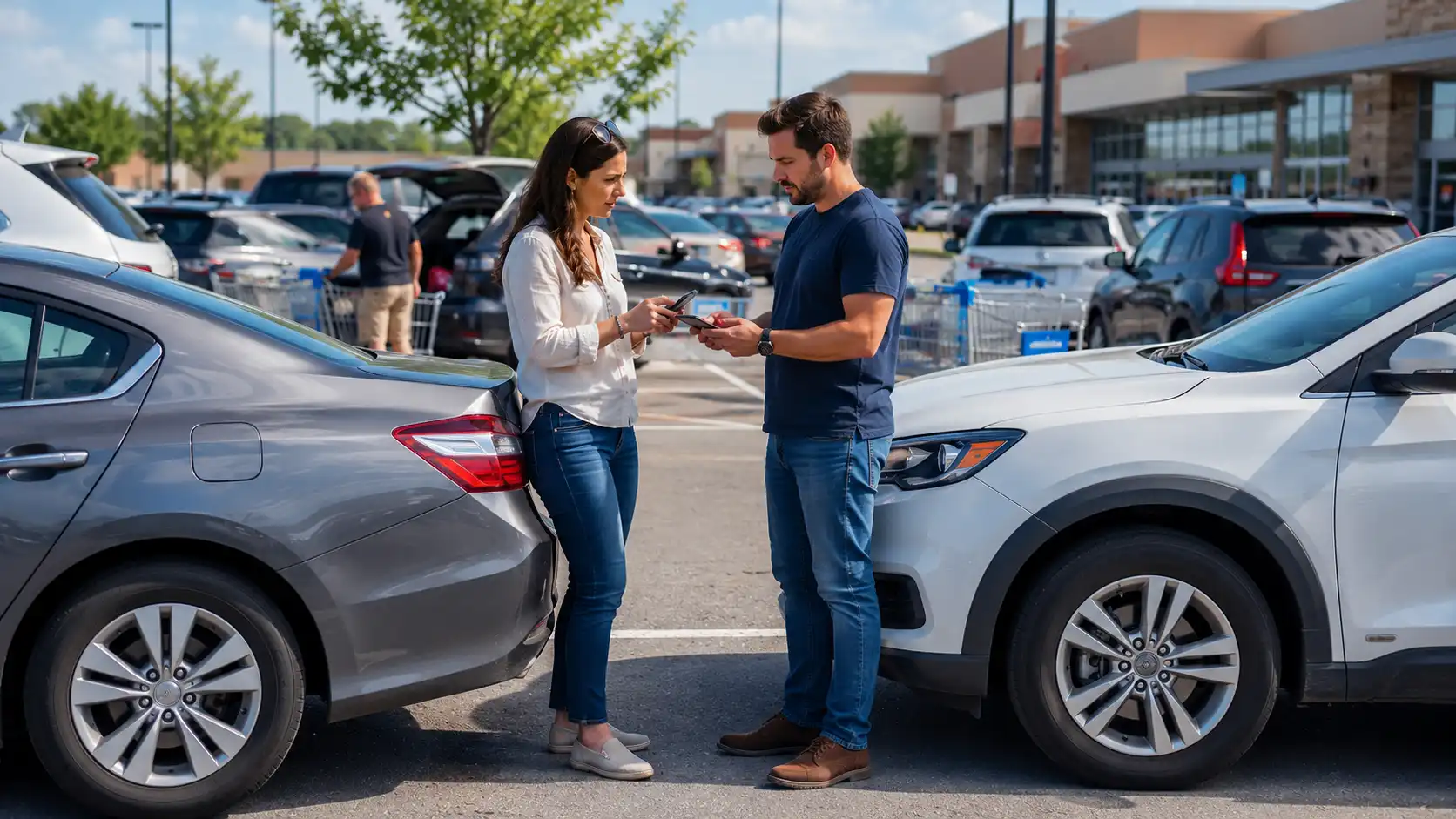
Drivers generally exchange insurance information, contact details, and vehicle registration information after the crash. Remaining calm and avoiding arguments may help reduce additional tension at the scene.
Photographs often become extremely valuable during insurance investigations. Taking clear photos of vehicle damage, parking lane markings, nearby signs, weather conditions, and the surrounding area may help preserve evidence.
Witnesses may also help clarify disputed details. Employees, nearby shoppers, or pedestrians sometimes observe the collision and provide useful statements later.
Some parking lot accidents require police response, especially if injuries occur or property damage appears significant. In other situations, drivers may report the incident directly to property management or security personnel.
Promptly notifying insurance companies may also help avoid delays during the claims process.
Comparative Negligence In Parking Lot Crashes
Many states use comparative negligence rules when determining liability after vehicle accidents. This means more than one party may share fault for the collision.
For example, one driver may have been speeding through the parking lot while another driver backed out without checking blind spots. In this situation, both parties may receive percentages of responsibility.
Comparative negligence laws vary throughout the United States, but shared fault may affect how damages are handled during insurance or legal claims.
These cases sometimes become complicated because parking lots involve constant movement from multiple directions at once. Investigators often rely heavily on physical evidence and surveillance footage when assigning fault percentages.
Parking Lot Hit-And-Run Accidents
Hit-and-run accidents frequently happen in parking lots, especially when unattended vehicles are struck while parked.
Some drivers panic after damaging another vehicle and leave without providing contact or insurance information. These situations may create frustration for vehicle owners returning to discover damage with no clear explanation.
Surveillance cameras, witness accounts, vehicle debris, and paint transfer evidence sometimes help investigators identify the responsible driver.
Uninsured motorist coverage may help in certain hit-and-run situations depending on the driver’s policy and state regulations.
Parking garages and shopping centers increasingly install advanced security systems to help reduce these incidents and assist investigations.
How Parking Lot Design Affects Safety
The design and maintenance of parking lots may significantly influence accident risks.
Poorly designed parking areas may create blind corners, confusing traffic patterns, narrow driving lanes, and limited pedestrian visibility. Heavy congestion during busy shopping periods may increase the danger even further.
Modern commercial developments increasingly use improved lighting systems, clearer lane markings, speed bumps, pedestrian walkways, and surveillance technology to improve safety.
Some parking lots also include designated pickup and delivery zones because of the growing popularity of rideshare and food delivery services across the United States.
As vehicle sizes continue increasing, especially with larger SUVs and pickup trucks, parking lot visibility challenges may become more significant.
Technology Is Changing Parking Lot Safety
Vehicle technology continues evolving to help reduce parking lot accidents. Many modern vehicles now include backup cameras, parking sensors, blind-spot monitoring systems, and automatic emergency braking features.
Cross-traffic alerts may warn drivers when vehicles or pedestrians approach while reversing out of parking spaces.
Although these systems may improve awareness, they do not eliminate driver responsibility. Drivers still need to remain attentive and cautious while navigating crowded parking areas.
Commercial properties also continue investing in security technology and traffic management systems designed to improve parking lot safety.
Parking Lot Accidents Continue Affecting Drivers Across America
Parking lot accidents remain one of the most common types of vehicle collisions in the United States. Even low-speed crashes may create injuries, repair costs, insurance disputes, and complicated liability questions.
Crowded commercial areas, distracted driving, limited visibility, and heavy pedestrian activity all contribute to these incidents. Determining fault often requires careful examination of vehicle movement, traffic controls, surveillance footage, and witness statements.
As parking lots become busier and vehicle technology continues evolving, understanding how these accidents happen may help drivers stay more alert and better prepared if a collision occurs.